4 Signs Your Hair Is Suffering From Heat Damage | Classy Hair
Discover 4 signs of heat-damaged hair, from dryness and breakage to frizz. Learn practical prevention tips and explore professional hair care at Classy Hair in Gardena, CA.
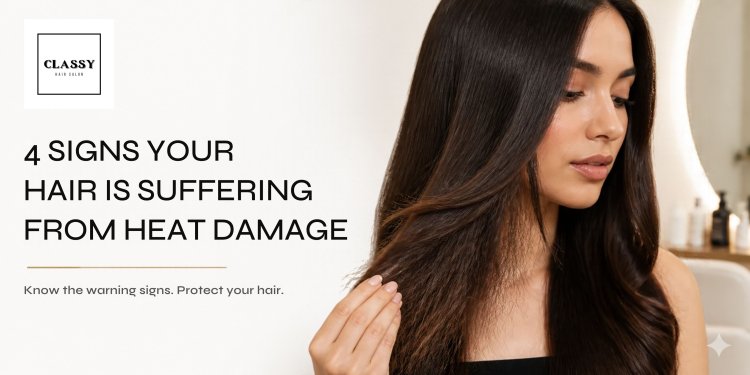
Have you noticed that your hair looks dull, feels rough, or breaks more easily than it used to? Your favorite flat iron, curling wand, or blow dryer might be contributing to the problem. Although heat styling can help you achieve smooth, polished hairstyles, using high temperatures too frequently can gradually weaken your hair.
The good news is that recognizing the early signs of heat damage can help you adjust your routine before the problem becomes more noticeable. With gentle hair care, better styling habits, and the right professional guidance, you can help your hair look healthier and feel more manageable.
At Classy Hair, understanding your hair's condition is an important step toward choosing suitable styling and treatment options. If you regularly straighten, curl, or blow-dry your hair, here are four warning signs to watch for.
1. Your Hair Feels Dry, Rough, and Looks Dull
One of the earliest signs of heat damage is a noticeable change in your hair's texture. Healthy hair generally feels relatively smooth and reflects light, while heat-damaged hair may feel coarse, dry, or rough to the touch.
Why does heat make hair look dull?
Excessive heat can damage the hair's protective outer cuticle. When this layer becomes compromised, hair may lose its smooth appearance, making it look less shiny and feel harder to manage. Repeated exposure to high temperatures can also increase moisture loss and leave strands feeling brittle.
You might notice that your hair looks dull even after washing or that the ends feel especially dry.
What can you do?
-
Reduce how frequently you use flat irons and curling tools.
-
Apply a suitable heat protectant before heat styling.
-
Choose a gentle shampoo and a moisturizing conditioner.
-
Use a conditioning hair mask when appropriate for your hair type.
-
Avoid using high heat to force dry, resistant strands into shape.
If dryness persists, consider a professional assessment to determine whether your hair needs conditioning care, a trim, or a change in your styling routine.
2. Your Hair Breaks Easily or Develops Split Ends
Are you finding short broken strands on your clothing, bathroom counter, or hairbrush? Does your hair seem to develop split ends soon after a haircut? These changes may indicate that repeated heat styling is weakening the hair shaft.
How heat damage leads to breakage
Hair fibers can become more fragile when repeatedly exposed to excessive temperatures. Once the protective structure is damaged, strands may snap more easily during brushing, detangling, or styling.
You may notice:
-
Split ends that travel farther up the hair shaft.
-
Short, uneven pieces around the crown or hairline.
-
More breakage when brushing or combing.
-
Ends that look thin, frayed, or uneven.
Remember that breakage is different from shedding. Shedding involves hair releasing from the scalp, while breakage occurs when a strand snaps along its length. Other conditions can cause both, so persistent or sudden changes deserve attention.
How can you protect fragile hair?
Start by detangling gently with a wide-tooth comb, working from the ends upward. Avoid pulling a brush through knots, especially when your hair is wet and more vulnerable to stretching.
Trim damaged ends when needed, and give your hair a break from frequent high-temperature styling. Conditioning products can improve softness and manageability, but they cannot permanently repair a severely damaged hair shaft.
If breakage continues, a stylist can assess your hair's condition and recommend an appropriate care plan.
3. Your Hair Has Lost Its Natural Elasticity and Flexibility
Healthy hair has some flexibility. When you gently handle a strand, it should not immediately feel excessively stiff or snap under minimal tension. Heat-damaged hair may become brittle and lose some of its ability to withstand everyday styling.
What does reduced elasticity look like?
Your hair might feel unusually stiff, tangle more often, or snap when you try to detangle it. In some cases, the ends may look thin and frayed, while the middle sections feel rough or uneven.
This can happen when repeated heat exposure damages the hair's internal structure. Chemical treatments, bleaching, and mechanical stress may also contribute, particularly when several damaging practices are combined.
A simple care adjustment: Give your hair a break from repeated straightening and curling. Use a conditioner suited to your hair type, detangle slowly, and avoid tight hairstyles that place unnecessary tension on fragile strands.
If your hair has also undergone chemical straightening or coloring, tell your stylist before scheduling another service. Your hair's previous treatment history matters when determining which options may be appropriate.
For people considering long-lasting straight styles, a consultation about Japanese hair straightening Gardena CA services can help clarify whether a chemical straightening treatment is suitable for their current hair condition. It is important to remember that straightening treatments also involve chemical processing and, in some cases, heat, so damaged hair should be assessed first.
4. Your Hair Becomes Frizzy and Difficult to Style
Another common warning sign is hair that seems to resist styling. You may straighten it in the morning, only to find that it looks puffy, uneven, or frizzy a few hours later.
Why does damaged hair become frizzy?
When the hair cuticle is compromised, strands may become less smooth and more difficult to manage. Humidity, friction, dryness, and the natural texture of your hair can make the effect more noticeable.
You might find yourself repeatedly using a flat iron to control frizz. Unfortunately, this can create a frustrating cycle: more heat leads to more damage, and the added damage makes styling increasingly difficult.
What can help tame frizz without making damage worse?
Try these practical changes:
-
Lower your styling tool's temperature and use the lowest effective setting.
-
Avoid repeatedly passing a flat iron over the same section.
-
Let your hair air-dry partially before using a blow dryer.
-
Use a suitable heat protectant and lightweight conditioning products.
-
Limit unnecessary styling between washes.
If you want smoother hair with less daily styling, discuss your goals and hair history with a qualified stylist. Options may include conditioning treatments, keratin smoothing, or professional straightening, depending on the hair's strength and previous chemical services.
At Classy Hair, you can explore options such as Yuko straightening and other salon services after a consultation. If your hair is severely weakened, your stylist may recommend postponing chemical processing and focusing on hair care first.
How to Prevent Heat Damage Before It Gets Worse
You do not necessarily need to give up heat styling completely. The goal is to use it more thoughtfully and recognize when your hair needs a break.
Here are five habits worth adopting:
-
Always use heat protectant. Apply an appropriate product before using hot tools, following the product instructions.
-
Avoid excessive temperatures. Fine, bleached, or fragile hair may need lower settings than thicker, stronger hair.
-
Reduce styling frequency. Alternate heat-styled looks with hairstyles that require little or no heat.
-
Condition consistently. Use products that support softness, reduce friction, and make detangling easier.
-
Schedule professional assessments. A stylist can help identify breakage, evaluate previous chemical treatments, and discuss realistic options for improving manageability.
If you are looking for a professional hair salon in Gardena, ask about the condition of your hair before committing to another chemical or heat-based service.
When Should You Visit a Professional Hair Salon?
If your hair continues to break, feels increasingly brittle, or becomes difficult to manage despite changing your routine, professional guidance can help you understand the next steps.
Classy Hair offers services including straightening, keratin treatments, hair coloring, and head spa care. However, no single service is right for every hair type or level of damage. A consultation can help determine whether your hair is ready for a chemical service or would benefit more from gentler maintenance.
You can explore the salon's Japanese hair straightening information to learn more about straightening options and aftercare. If frizz is your primary concern, read about Japanese hair straightening in Gardena and discuss whether the process is appropriate for your hair.
For a different approach to smoothing, learn about keratin treatments and other hair services. You can also explore head spa treatments for scalp-focused care and relaxation. Keep in mind that scalp treatments can support scalp hygiene and comfort, but they do not reverse structural damage to the hair shaft.
Frequently Asked Questions
1. Can heat-damaged hair return to its original condition?
Hair that has already grown out is not living tissue, so severe structural damage cannot be completely reversed. Conditioning products can improve softness and appearance, while trimming removes damaged ends. Preventing additional damage is essential.
2. How often can I safely use a flat iron?
There is no single frequency that works for everyone. Hair condition, texture, temperature, and technique all matter. If your hair is brittle, bleached, or breaking, reduce or pause heat styling until its condition improves.
3. Does heat protectant completely prevent heat damage?
No. Heat protectants can help reduce damage when used correctly, but they cannot eliminate all risks associated with high temperatures. Use the lowest effective heat setting and avoid repeated passes.
4. Is Japanese hair straightening suitable for damaged hair?
It depends on the extent of damage and your hair's treatment history. Japanese straightening is a chemical process that permanently changes the treated hair's structure. A professional assessment is important, and severely compromised hair may not be a suitable candidate.
5. What salon treatment is best for dry, frizzy hair?
The right option depends on whether your main concern is dryness, breakage, frizz, or curl pattern. Conditioning care, a trim, keratin smoothing, and chemical straightening serve different purposes. Ask your stylist to evaluate your hair before choosing a treatment.
Final Thoughts
Heat damage often begins with small changes: dullness, rough texture, split ends, breakage, or stubborn frizz. Paying attention to these signs can help you change your styling habits before further damage occurs.
Be gentle with your hair, use heat tools thoughtfully, and seek professional advice when damage persists. If you are in Gardena, California, Classy Hair can help you explore hair-care and styling options based on your goals and your hair's condition.
Healthy-looking hair starts with understanding what it needs.
What's Your Reaction?